

Two towns, two books, two dialects...
2026-09-14
 |
 |
 |
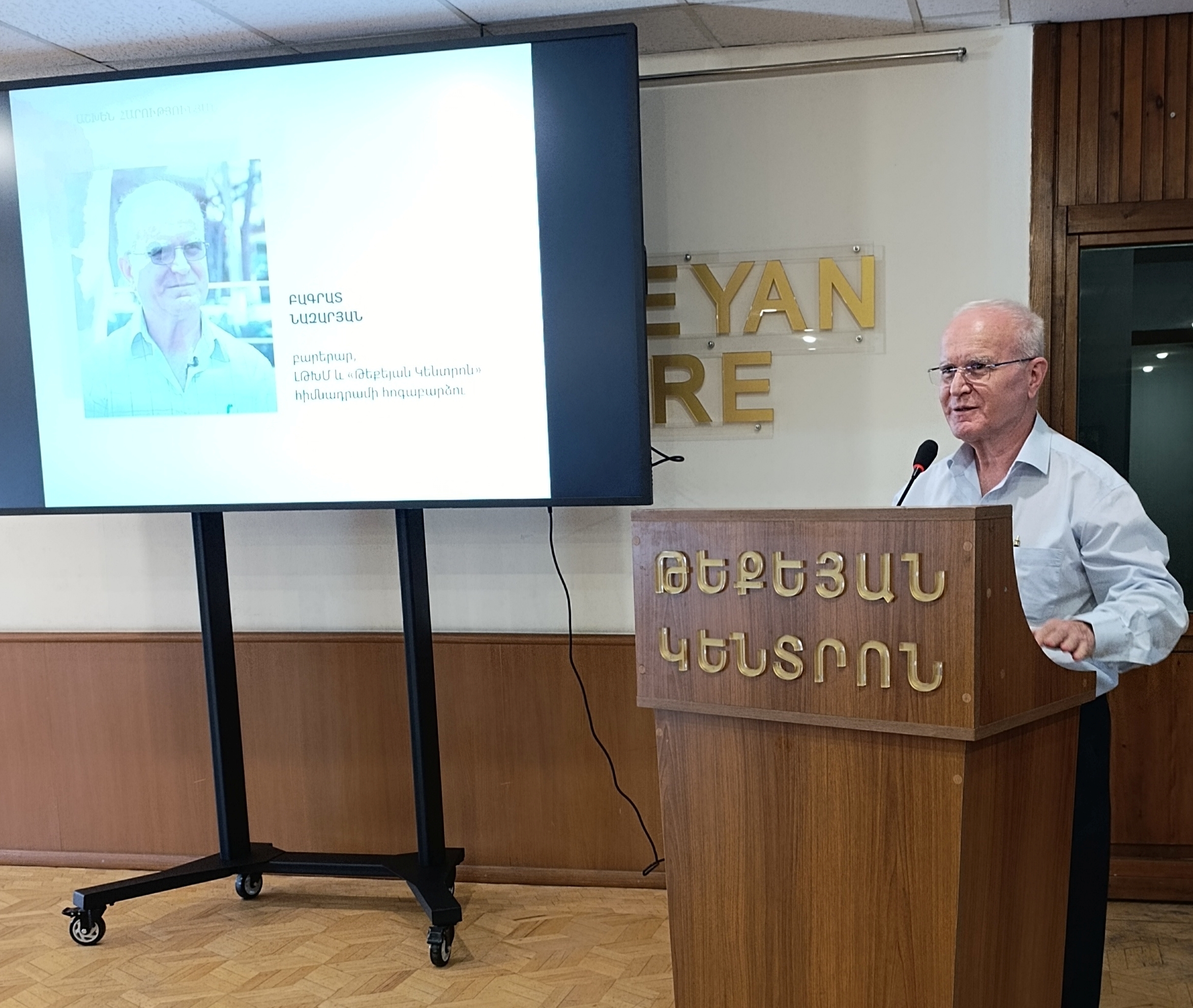 |
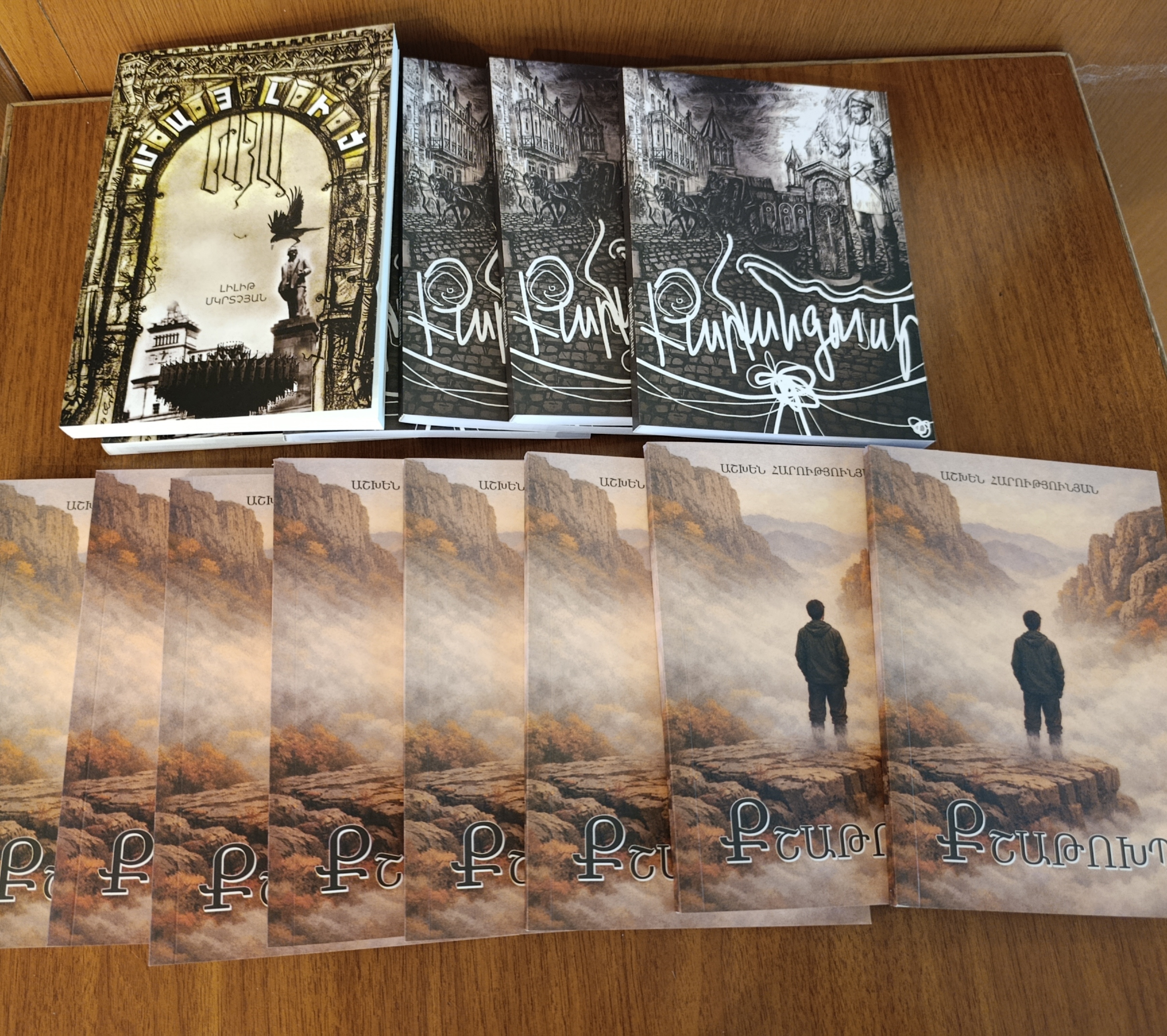
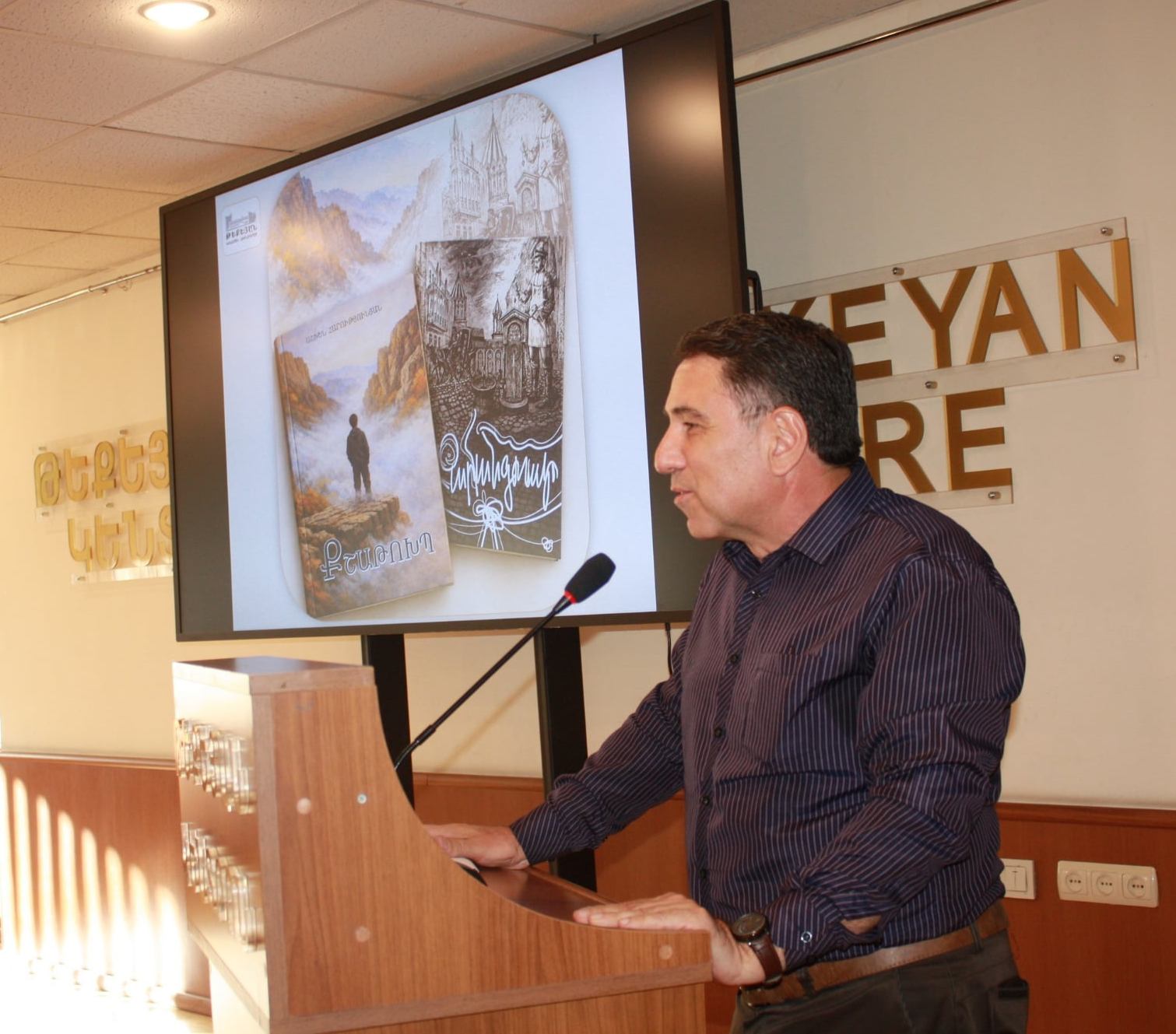
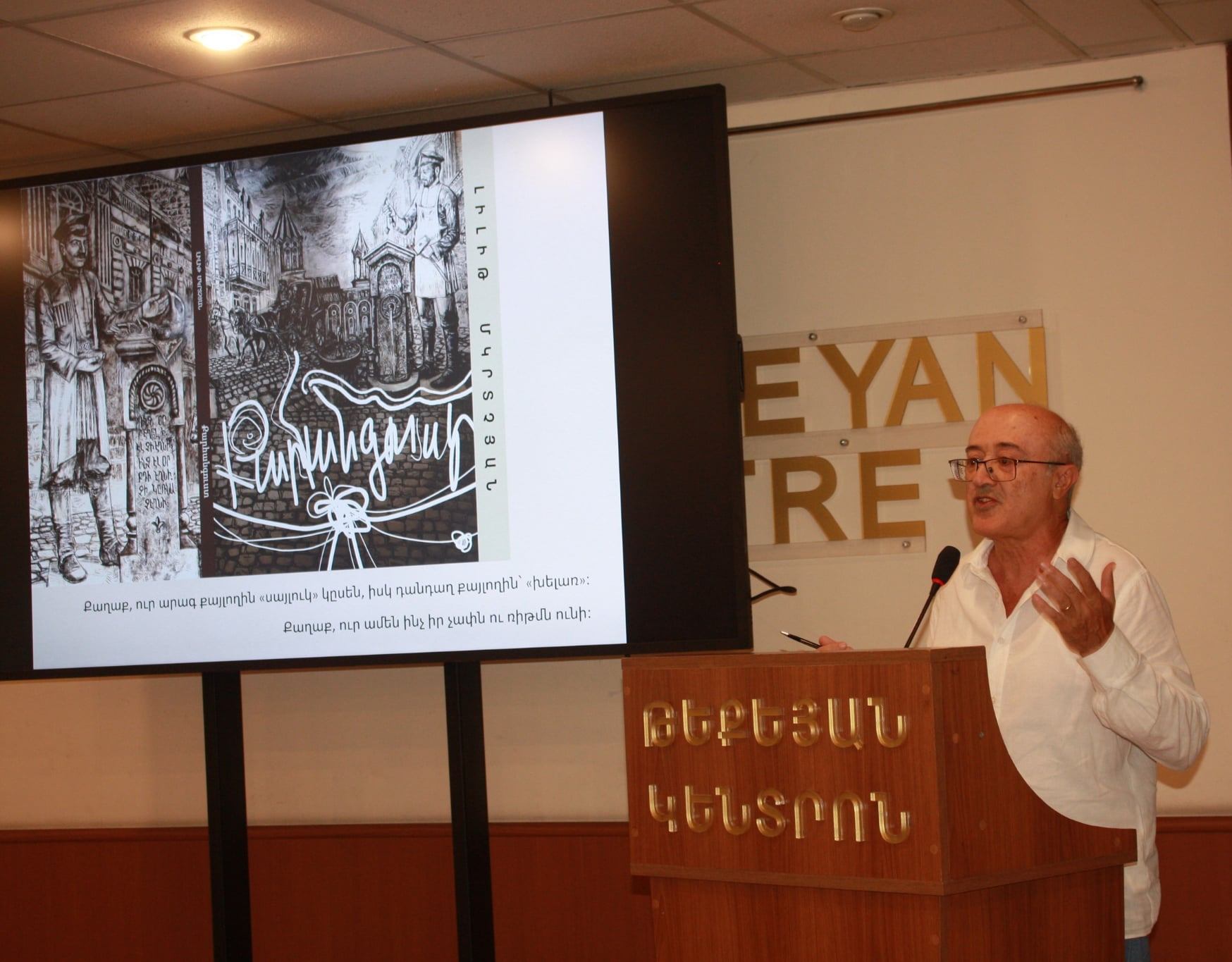
A book presentation was held at the Tekeyan Centre featuring Karhangust (Knot) by Gyumri-born writer and cultural and public figure Lilit Mkrtchyan, and Kshatokhp (Fog) by Artsakh-born actor and theatre figure Ashkhen Harutyunyan. The publication of the books was possible thanks to the support of London-based philanthropist, TCF trustee Bagrat Nazaryan and the Tekeyan Centre Fund.
Lilit Mkrtchyan’s collection of short stories, Karhangust, portrays Gyumri through its people, everyday life, humor, and the distinctive sound and character of the Gyumri dialect. Ashkhen Harutyunyan’s short story Kshatokhp, written in the Artsakh dialect, presents Shushi and the cultural environment of Artsakh, including its traditions and distinctive cultural characteristics.
In his welcoming speech, Armen Tsulikyan, Director of the TCF, emphasized the importance of publishing literary works written in Armenian dialects, highlighting the need to preserve and promote the diverse dialects of the Armenian language. Benefactor Bagrat Nazaryan noted that the very dialects inspired him to support the publication of the books.
Levon Lachikyan, a literary scholar, art historian, and graphic artist originally from Gyumri, spoke about the cultural similarities between Shushi and Gyumri - both cities having enjoyed rich cultural lives, with theatres, newspapers and periodicals, music, and highly developed crafts. At the same time, both cities have endured profound tragedies throughout their histories. Lachikyan highlighted the main characters of Karhangust—the people of Gyumri, who are able to laugh in the midst of pain, make jokes alongside loss, and preserve their dignity even in the most difficult moments.
Lusine Gharakhanyan, former Minister of Education, Science, Culture and Sports of Artsakh and current Director of the Hovhannes Tumanyan Museum, emphasized the distinct Artsakh identity of Kshatokhp and the role of the dialect, which makes the story and its protagonist feel more intimate, authentic, and true to their cultural setting.
Poet, prose writer, and Director of the Artsakh Office of the Hamazkayin Armenian Educational and Cultural Society Hermine Avagyan viewed the publication of Kshatokhp also as an important act of preserving memory and resisting oblivion, making it possible to preserve memories of the world of Artsakh and pass them on to future generations.
In her speech, Ashkhen Harutyunyan noted that Kshatokhp was deliberately written in the Artsakh dialect to keep it alive and recognizable.
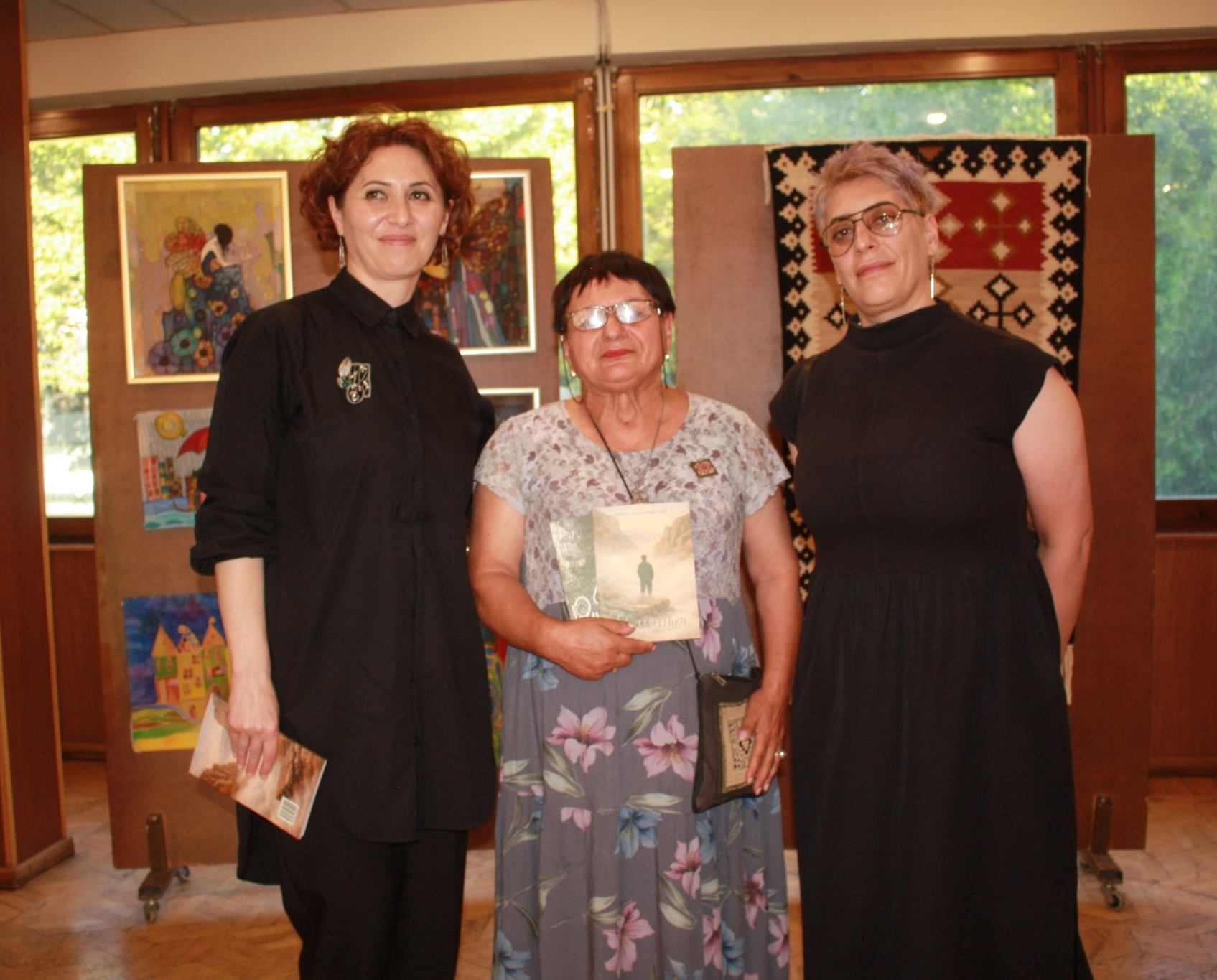
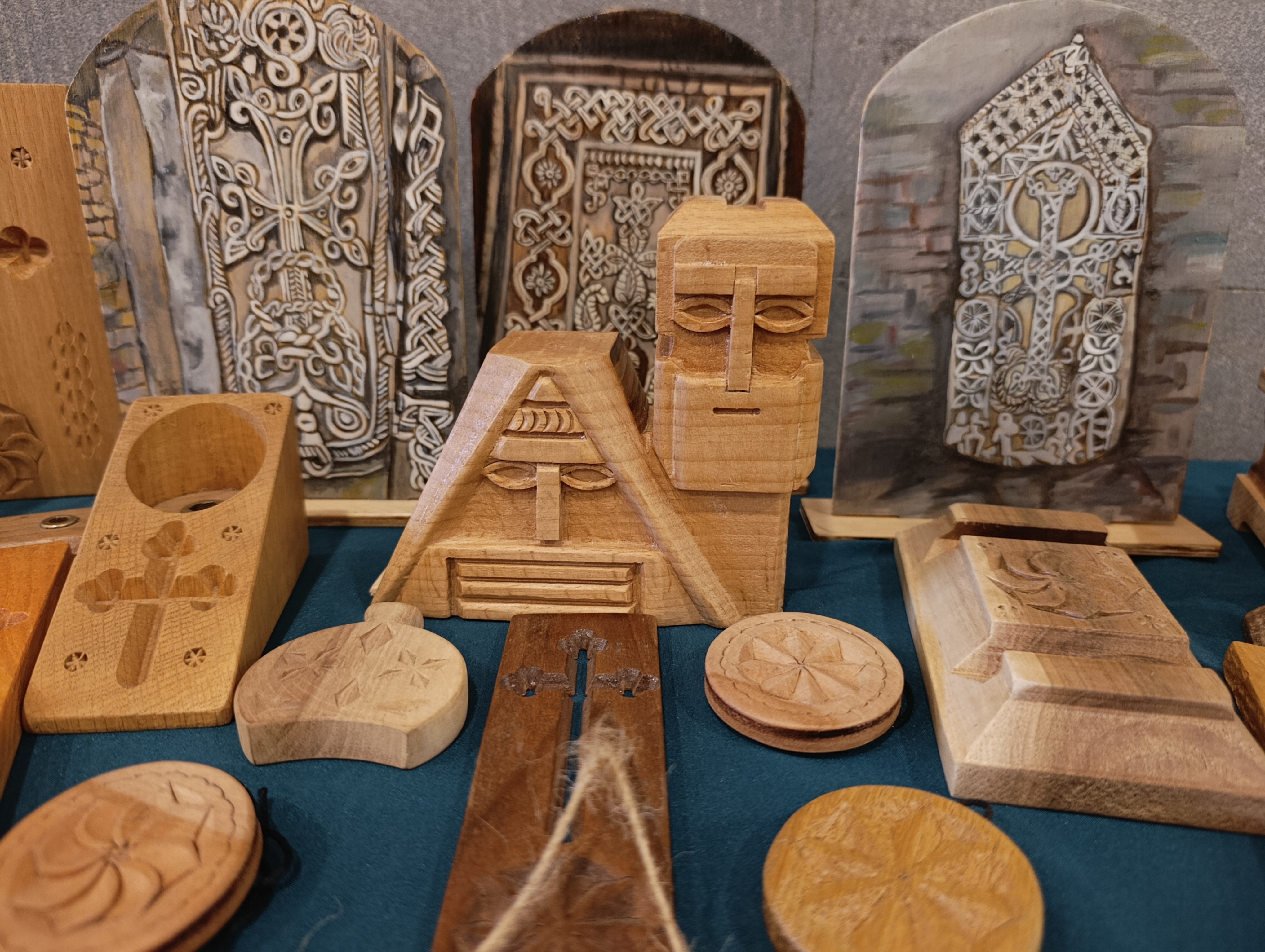
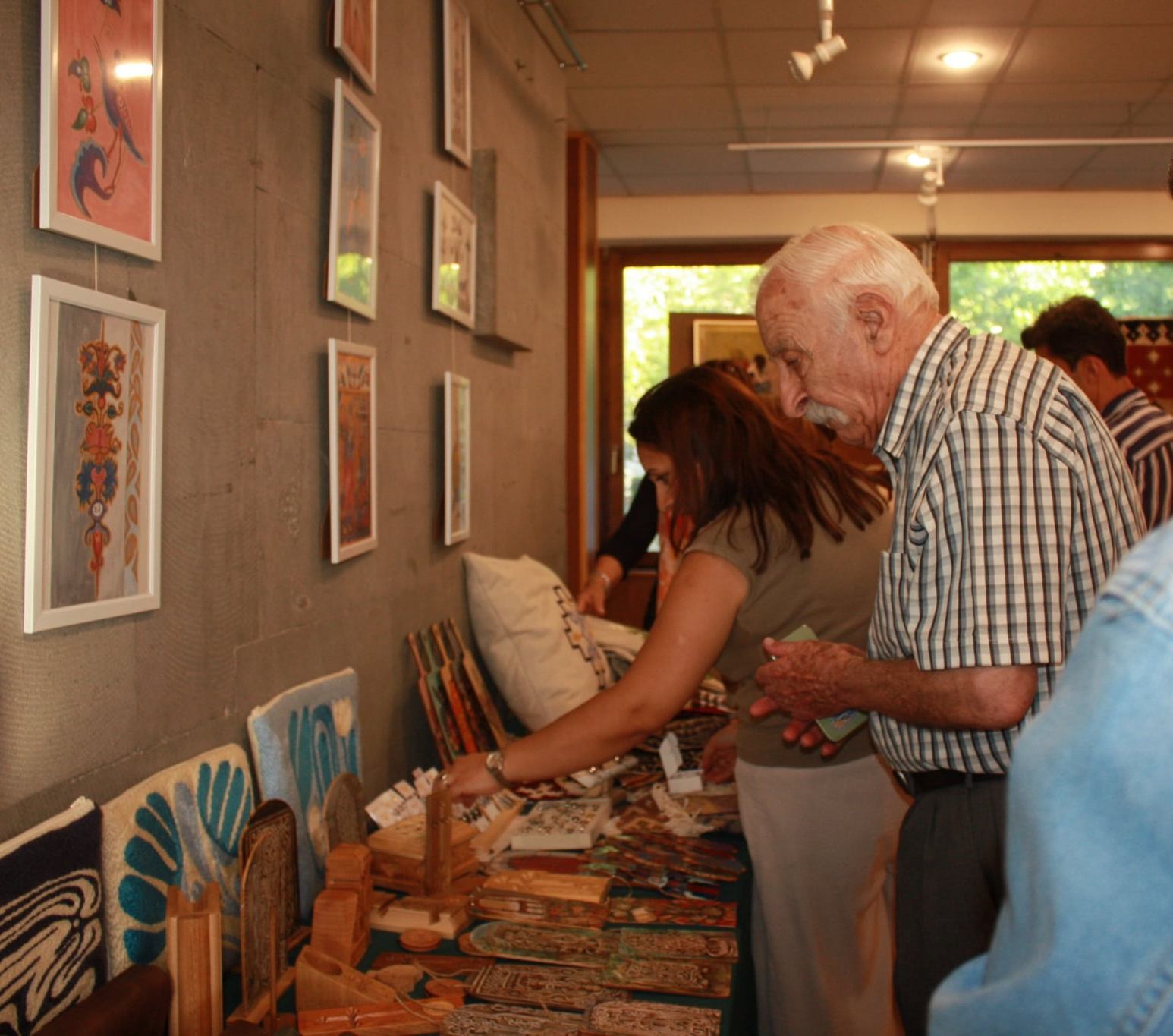
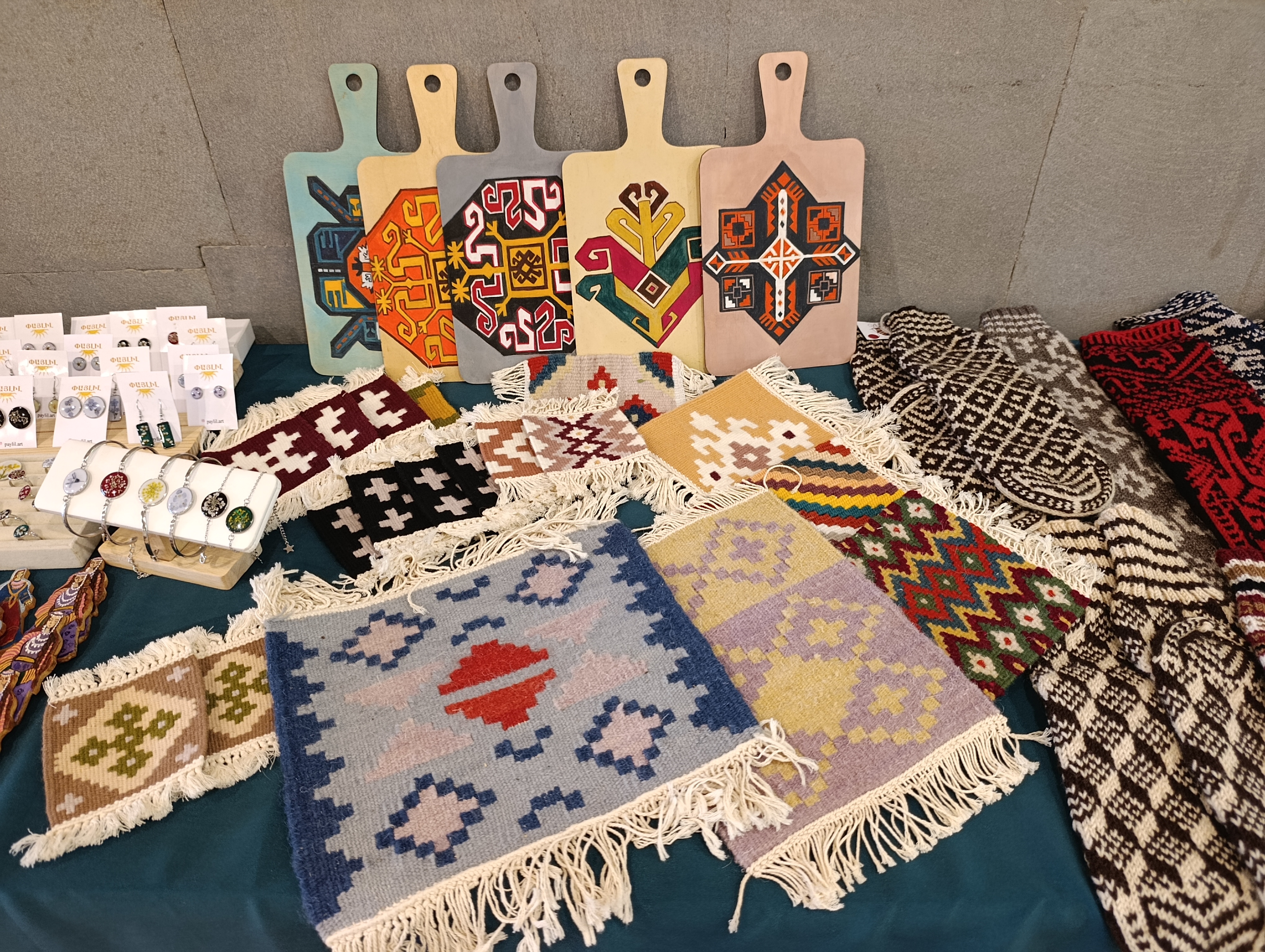
Alongside the book presentations, an exhibition of handmade works by students of the Hadrut Children’s Art Centre was held at Tekeyan Centre. The exhibition featured embroidery, painting, pottery, batik, carpet weaving, sock knitting, and other forms of traditional and contemporary handicraft. The exhibition was presented by the Centre’s director Ira Tamrazyan.
Shushi and Gyumri—two cities with different historical destinies yet rich cultural memory - met under one roof, through two dialects and one common Armenian cultural space.
The event was attended by writers, literary scholars, cultural figures, people from Artsakh and Gyumri, and other guests.
 |
 |
 |
 |
back